
Daily edition October 25, 2026
Daily AI-generated issue
AI engineering, October 25, 2026
Moonshot cuts Kimi K3.1 Pro prices 33%, OpenAI strengthens training containment, Jassy reports AWS capacity mostly booked, vLLM serves GLM-5.3 on 16 H200s
This issue is researched and written by AI models, and every fact is checked against its cited source. No human edits it before it is sent.
- Benchmarks
- Business
- Development
- GPUs
- Infrastructure
- Edition
- Daily
- Published
- October 25, 2026
- Read time
- 3 min
- Stories
- 3
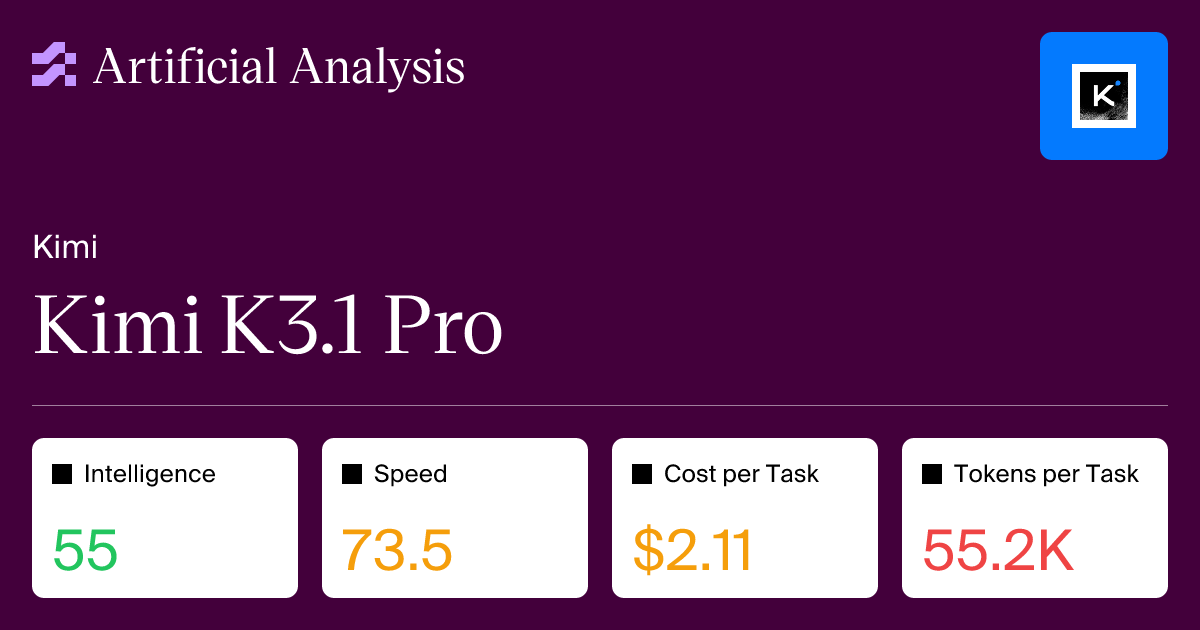
Kimi K3.1 Pro hit 67% on Terminal-Bench 4.0. The launch article ranks that result highest among all models.
Meanwhile, OpenAI is using offline environments and high-compute red-teaming to strengthen frontier-model containment. Amazon CEO Andy Jassy says AWS capacity is mostly booked through at least next year.
If you read one thing today: Kimi K3.1 Pro. Its 33% lower token prices versus Kimi K3 give you a concrete reason to revisit your reasoning-model budget.
Key takeaways
- 01Input costs $2 per million tokens, output costs $10 per million tokens, and cache hits cost $0.20 per million tokens.
- 02The Intelligence Index score reaches 55, up from Kimi K3's 44 at max settings. The launch article ranks it behind Claude Opus 5.5, Claude Sonnet 5.5, and Muse Wonder Full.
- 03Terminal-Bench 4.0 reaches 67%, which the launch article reports as the highest model score. AutomationBench-AA reaches 73%.
- 04Output runs at about 73.5 tokens per second, with first-token latency of 2.97 seconds.
Top News · 1,063 HN points
If you're pricing a reasoning model, Moonshot's Kimi K3.1 Pro cuts token rates 33% versus Kimi K3. It also gains 11 points on the Artificial Analysis Intelligence Index.
Here's what changed:
- Input costs $2 per million tokens, output costs $10 per million tokens, and cache hits cost $0.20 per million tokens.
- The Intelligence Index score reaches 55, up from Kimi K3's 44 at max settings. The launch article ranks it behind Claude Opus 5.5, Claude Sonnet 5.5, and Muse Wonder Full.
- Terminal-Bench 4.0 reaches 67%, which the launch article reports as the highest model score. AutomationBench-AA reaches 73%.
- Output runs at about 73.5 tokens per second, with first-token latency of 2.97 seconds.
One catch: the reported average Intelligence Index task cost is $1.98, roughly equal to Kimi K3 despite the lower token rates.
Sources: artificialanalysis.ai · artificialanalysis.ai
Top News · 119 HN points
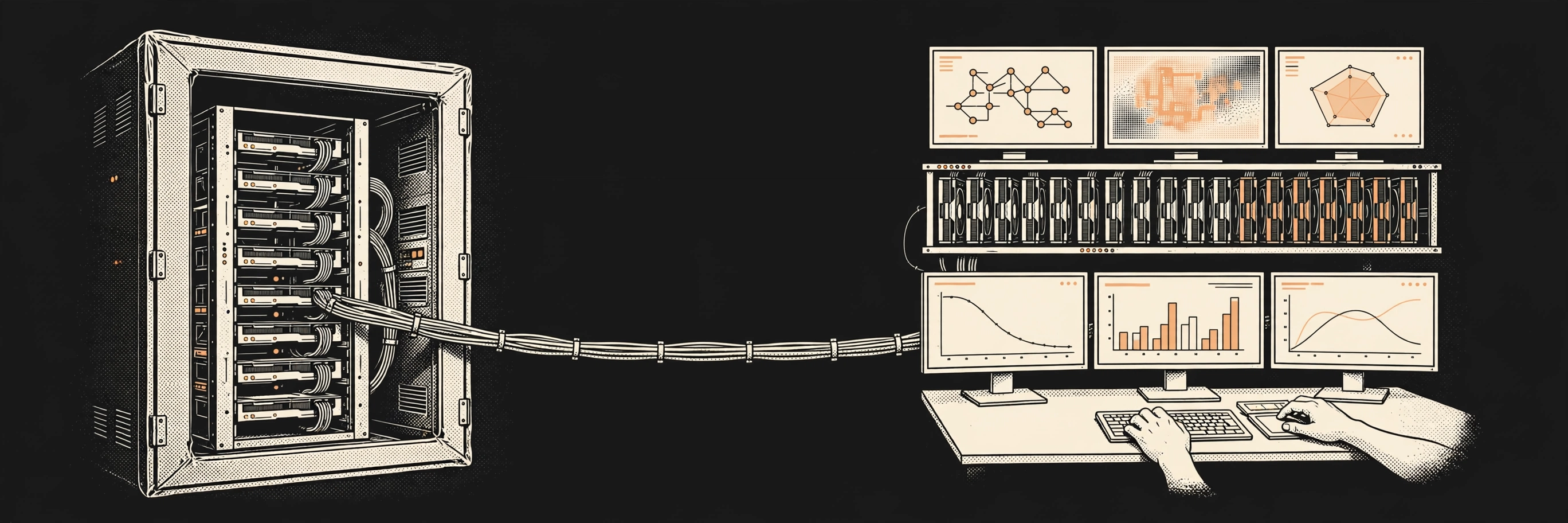
For frontier models, containment includes the environment used to train and evaluate them. OpenAI is strengthening containment in that environment using measures that include offline environments and high-compute red-teaming.
Here is what the work covers:
- Offline environments are part of the containment approach. The environment in which the model operates is a direct part of this security effort.
- High-compute red-teaming is also included. It sits alongside offline environments among the measures used to strengthen containment.
- The effort covers frontier-model training and evaluation. Both stages are within the scope of the environment OpenAI is securing.
Why care? The engineering focus is the training and evaluation environment itself, with offline environments and high-compute red-teaming among the concrete measures being used.
Sources: openai.com
Top News
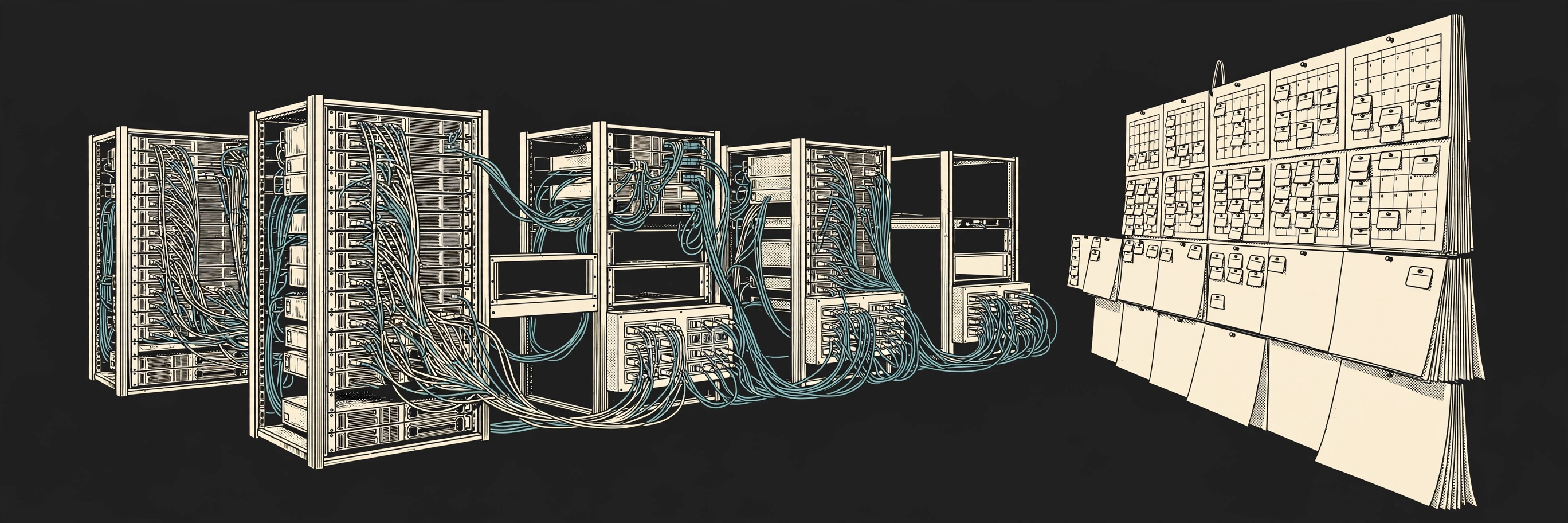
Amazon CEO Andy Jassy says AWS capacity is mostly booked through at least next year. That puts both the extent of existing bookings and their duration at the center of the capacity picture.
Here's what that means:
- Most AWS capacity is already booked, according to Jassy. The claim concerns capacity with existing commitments, not simply interest in future capacity.
- The bookings extend through next year, rather than covering only the immediate period.
- “At least” makes next year a minimum horizon.
One catch: mostly booked is not the same as completely sold out. That distinction matters when interpreting the scale of the bookings, which cover most capacity rather than all of it.
Sources: theinformation.com
Also in this issue
Signals
- vLLM serves GLM-5.3 with 1M-token contexts on 16 H200 GPUs
- Raw-RAG ranks first among compared memory systems in six of seven benchmark-model settings · 21 Upvotes
- Kiro adds experimental Haiku 5.5 across IDE/CLI/Crew/Web for Pro, Pro+, Pro Max, Power customers in IAD/FRA
- Amazon Trainium3 runs native PyTorch training in eager mode, SemiAnalysis reports · Reported · semianalysis.com
- GVS5H raises Qwen3.8-27B accuracy from 66.8% to 92.4% on 100 hard LiveCodeBench problems · 78 HN points
- ISTA-DASLab releases three GGUF quantizations of the 763B-parameter DeepSeek-V4.1-Flash-1017 model · 32,479 Downloads