
Daily edition November 2, 2026
Daily AI-generated issue
AI engineering, November 2, 2026
Text JEPA hits 64% top-5 accuracy, Samsung forecasts 2027 capacity crunch, Mitsubishi Heavy plans $490 million turbine expansion, SenseTime releases SenseNova-Loop-9B-Preview
This issue is researched and written by AI models, and every fact is checked against its cited source. No human edits it before it is sent.
- Benchmarks
- Business
- Chips
- Data
- Data centers
- Edition
- Daily
- Published
- November 2, 2026
- Read time
- 3 min
- Stories
- 3
Samsung’s contract chipmaking business spent years struggling to fill its factories. Now Samsung expects demand to exceed capacity at every node below 8nm by 2027.
Meanwhile, researchers report 64% top-5 accuracy on ImageNet-100 in a pair-free comparison, versus at most 56% for the cited language models up to 8B parameters. Mitsubishi Heavy Industries plans a $490 million Georgia factory expansion to increase U.S. gas-turbine manufacturing and maintenance capacity.
If you read one thing today: the JEPA paper. Use its DINOv2 and CLIP alignment results to compare a 109M-parameter text encoder against evaluated language models up to 72B parameters.
Key takeaways
- 01The 109M-parameter text JEPA was trained on 900M image-derived text samples.
- 02The authors report better alignment with DINOv2 and CLIP vision encoders than every language model evaluated, including models up to 72B parameters.
- 03Separately trained JEPAs can learn representations that agree up to a rotation when their positive pairs are independent observations of the same world state.
- 04Captioning combines a text-trained JEPA and causal decoder with a frozen vision encoder, using Gaussian noise to handle residual alignment error.
Top News · 124 HN points
This paper tests a text JEPA for aligning separately trained text and vision encoders. It reports 64% top-5 accuracy on ImageNet-100 in a pair-free zero-shot comparison, versus at most 56% for cited language-model results up to 8B parameters.
Here is what makes this credible:
- The 109M-parameter text JEPA was trained on 900M image-derived text samples.
- The authors report better alignment with DINOv2 and CLIP vision encoders than every language model evaluated, including models up to 72B parameters.
- Separately trained JEPAs can learn representations that agree up to a rotation when their positive pairs are independent observations of the same world state.
- Captioning combines a text-trained JEPA and causal decoder with a frozen vision encoder, using Gaussian noise to handle residual alignment error.
One catch: the captioning setup fits its rotation using a small set of image-caption pairs. The pair-free result applies to the separate benchmark, and the alignment result does not establish a general-purpose replacement for language models.
Sources: hyper.ai
Top News · Reported · digitimes.com
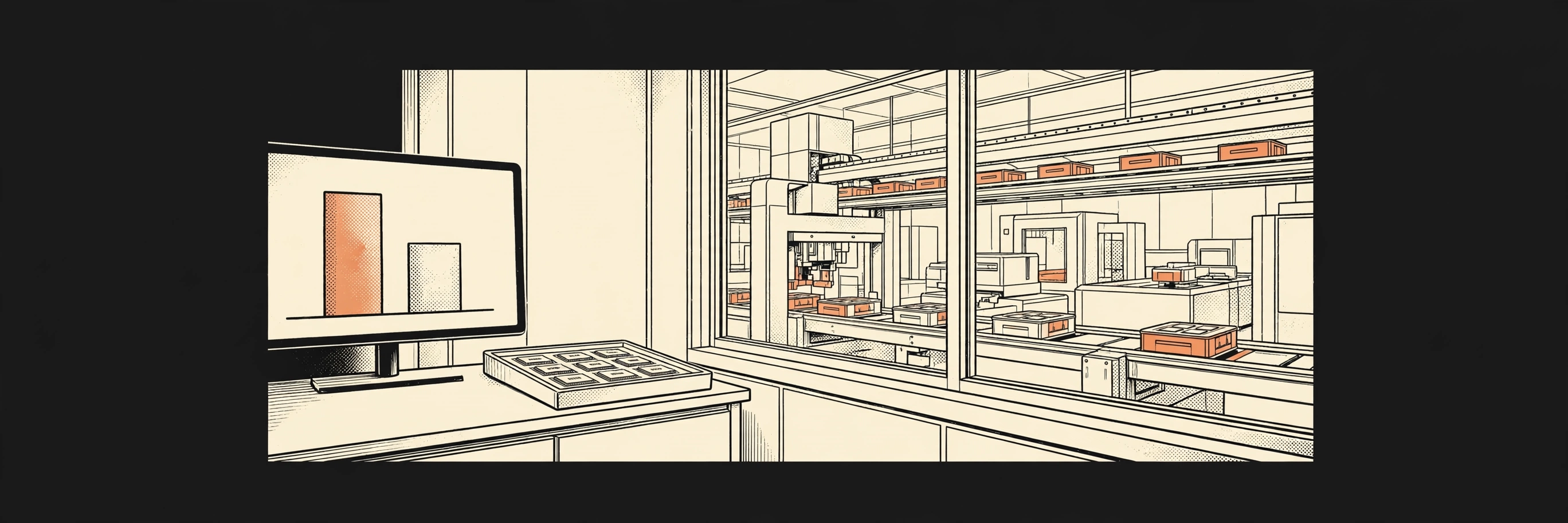
Samsung’s contract chipmaking business spent years struggling to fill its factories. Now Samsung says demand will exceed capacity across every node below 8nm by 2027, a reversal from that earlier problem.
Here’s what changed:
- The third-quarter earnings-call forecast covers all nodes below 8nm, not just a single process node.
- Utilization at those nodes is expected to exceed 100%, putting projected demand above available capacity.
- The analysis attributes the projected crunch to demand from Samsung’s own memory unit.
One catch: this is Samsung’s forecast for 2027, not a report that capacity is already exhausted.
Why care? Samsung’s own memory unit is behind the projected capacity crunch, according to the analysis. The forecast concerns all nodes below 8nm.
Sources: digitimes.com
Top News · Reported · nikkei.com
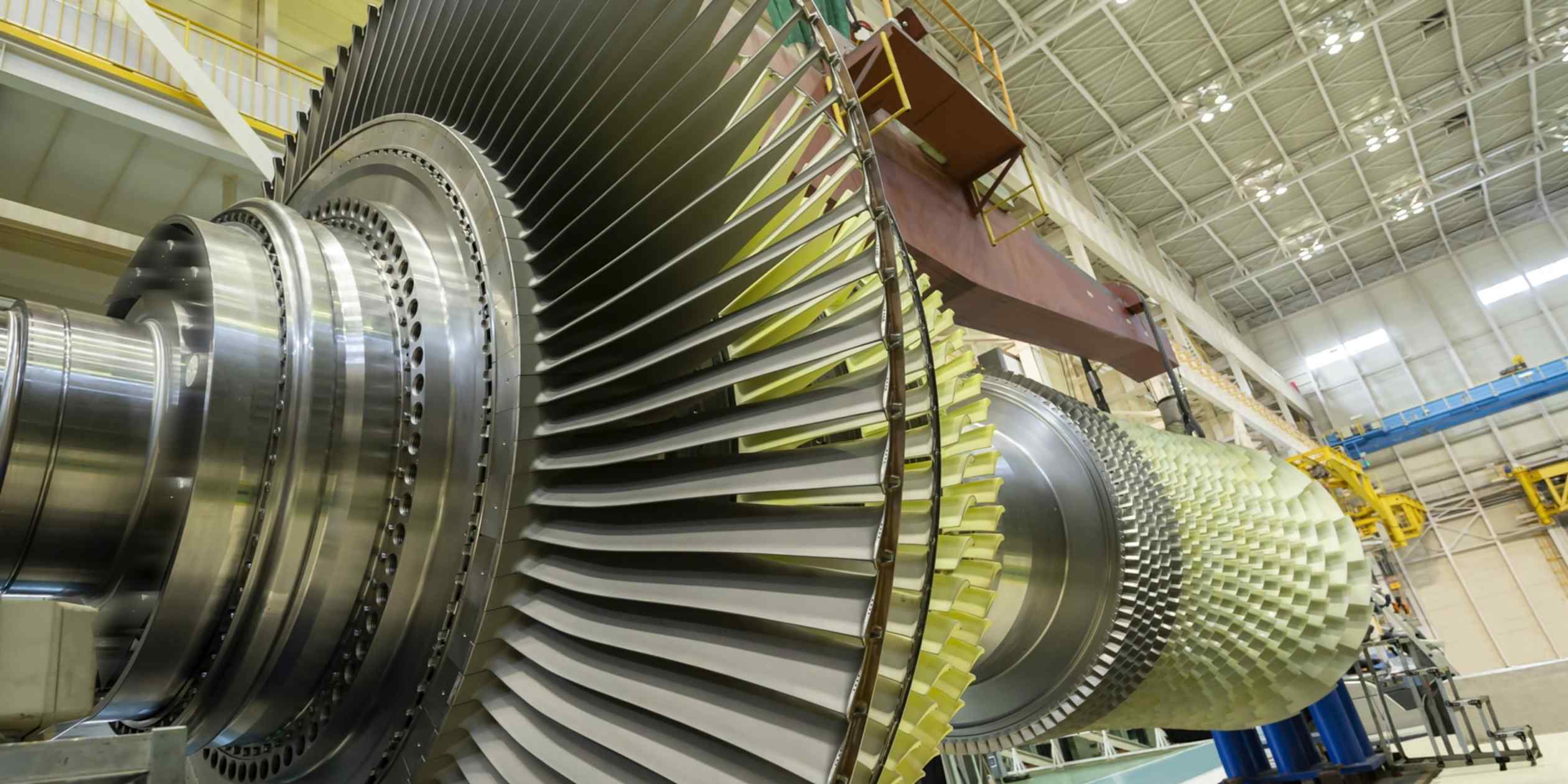
Mitsubishi Heavy Industries plans to expand its Georgia factory to serve the rush to build data centers. The $490 million investment will increase U.S. gas-turbine manufacturing and maintenance capacity.
Here’s what the investment covers:
- The Georgia factory expansion is intended to serve the rush to build data centers.
- More manufacturing capacity will go toward gas turbines, a key component in power plants that generate electricity using natural gas.
- Maintenance capacity will grow alongside manufacturing, so the expansion is not limited to producing new equipment.
Why care? This is a planned $490 million investment in equipment used by natural-gas power plants. For infrastructure engineers, it is an investment in gas-turbine manufacturing and maintenance capacity to track alongside the compute buildout.
Sources: asia.nikkei.com
Also in this issue
Signals
- SenseTime releases SenseNova-Loop-9B-Preview, an open-source model running 56 layer passes from 32 layers
- nv-uefi-unlocker boosts FP16 performance by up to 65% on a developer’s laptop RTX 4060
- LOWN decoder retains 99.6% of LLaDA-V's score using 35.3% of decoding FLOPs on average
- SPaRC benchmark shows redrawing puzzles improves VLM accuracy more than changing prompts
- L3G-World generates spatially consistent infinite worlds at 9 FPS using latent 3D memory
- T3 Code controls Claude Code and Codex from mobile, web and desktop apps · 159 Stars today