
Daily edition November 1, 2026
Daily AI-generated issue
AI engineering, November 1, 2026
NVIDIA ships Rubin NVL8 with lower bandwidth, TokenEconomizer authors report 18.4%–30.9% lower SWE-Bench costs, Intel expects severe server-CPU constraints in H1 2027, EasyProver proves 669 PutnamBench problems
This issue is researched and written by AI models, and every fact is checked against its cited source. No human edits it before it is sent.
- Agents
- APIs
- Chips
- Data
- Data centers
- Edition
- Daily
- Published
- November 1, 2026
- Read time
- 3 min
- Stories
- 3
A coding-agent plugin lowered costs without changing model weights. TokenEconomizer's authors report 18.4% to 30.9% lower mean costs on SWE-Bench.
Meanwhile, NVIDIA's Vera Rubin rollout is underway, with hyperscalers making some NVL72 systems generally available to customers. Intel expects server-CPU supply constraints to remain particularly severe in the first half of 2027.
If you read one thing today: Microsoft's TokenEconomizer. You can test it with Claude Code, Codex, GitHub Copilot CLI, or Pi using your existing login, with learned data kept locally.
Key takeaways
- 01HGX Rubin NVL8 memory falls from the preliminary 2.3TB to 2.0TB, with an estimated 26% memory-bandwidth reduction versus preliminary specifications.
- 02Each NVL72 Rubin GPU retains 288GB of HBM4 across eight 36GB stacks.
- 03NVL72 racks retain 20.7TB of HBM4, with 1,400TB/sec of GPU memory bandwidth.
- 04NVL72 scale-out networking rises from the preliminary 28.8TB/sec to 32.4TB/sec bidirectional.
- 05Rubin's listed NVFP4 throughput stays at 50 PFLOPS for inference and 35 PFLOPS for training.
Top News · Reported · servethehome.com
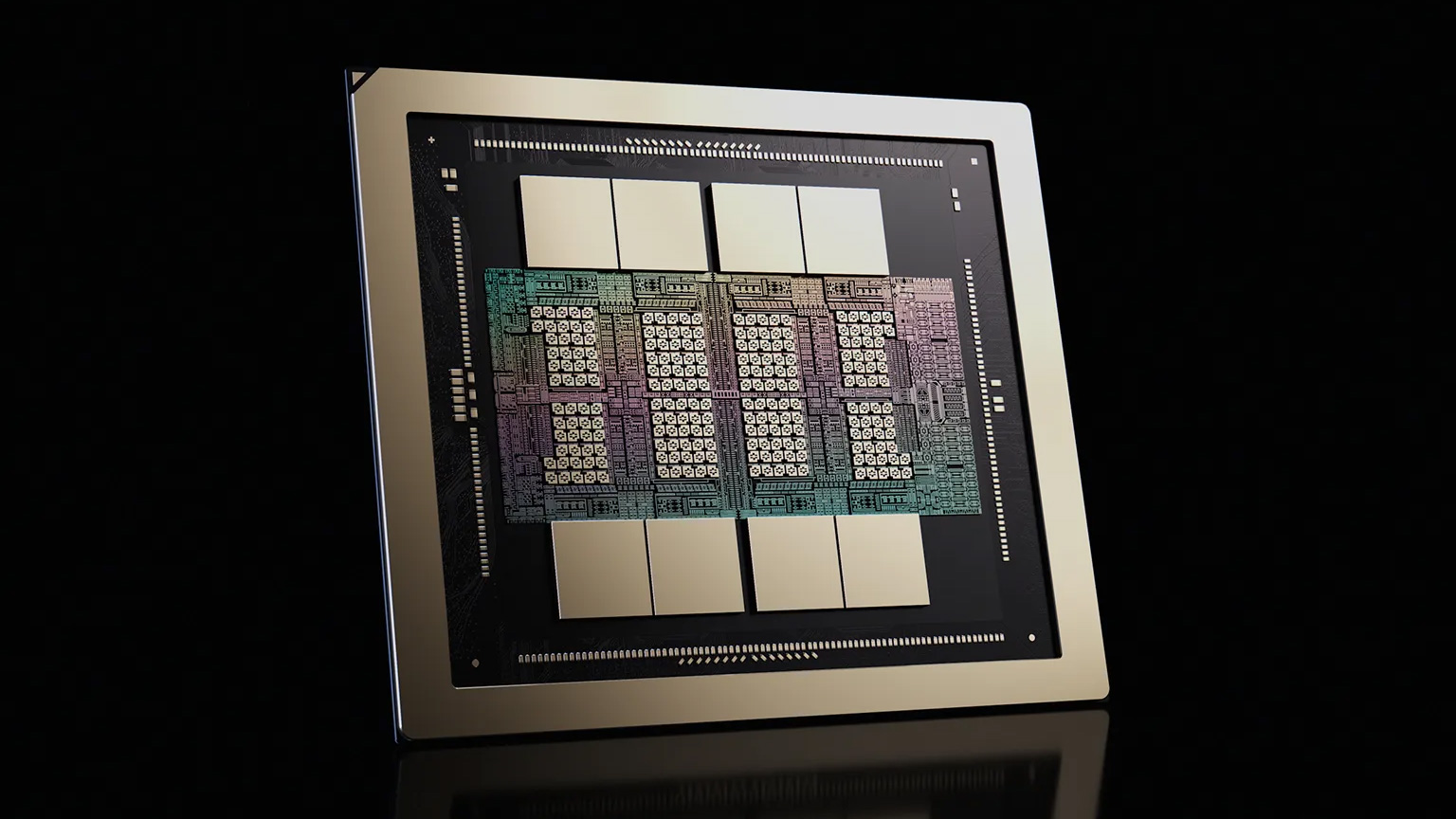
If you're sizing a Rubin deployment, the shipping memory and bandwidth figures are the ones to use. NVIDIA's Vera Rubin rollout is underway in Q4 2026, with hyperscalers making some NVL72 systems generally available to their customers.
Here's what changed:
- HGX Rubin NVL8 memory falls from the preliminary 2.3TB to 2.0TB, with an estimated 26% memory-bandwidth reduction versus preliminary specifications.
- Each NVL72 Rubin GPU retains 288GB of HBM4 across eight 36GB stacks.
- NVL72 racks retain 20.7TB of HBM4, with 1,400TB/sec of GPU memory bandwidth.
- NVL72 scale-out networking rises from the preliminary 28.8TB/sec to 32.4TB/sec bidirectional.
- Rubin's listed NVFP4 throughput stays at 50 PFLOPS for inference and 35 PFLOPS for training.
One catch: FP4 throughput is theoretical, not a measured workload result.
Sources: servethehome.com

Top News
TokenEconomizer is an external controller for the coding agent you already use, not a new model. Its authors report 18.4% to 30.9% lower mean costs on SWE-Bench, with savings in all 30 repository-by-agent cells.
Here's how it works:
- Claude Code, Codex, GitHub Copilot CLI, and Pi are supported, using your existing login without a separate API key.
- Repository-specific micro-skills, unused-tool pruning, and a loop guard target recurring costs. The loop guard can redirect a stuck agent without stopping the turn.
- The authors report higher Pass@1 in four of five agent-model combinations, with performance comparable overall.
- Learned data stays local, and the plugin is licensed under Apache 2.0.
One catch: savings depend on repeated work in the same repository. Fresh-repository tasks may behave differently, newer agent versions are untested, and micro-skills are off by default.
Try it: pi install git:github.com/microsoft/TokenEconomizer. Requires Python 3.10 or newer. Run /tokeneconomizer:status after installation.
Sources: explainx.ai
Top News
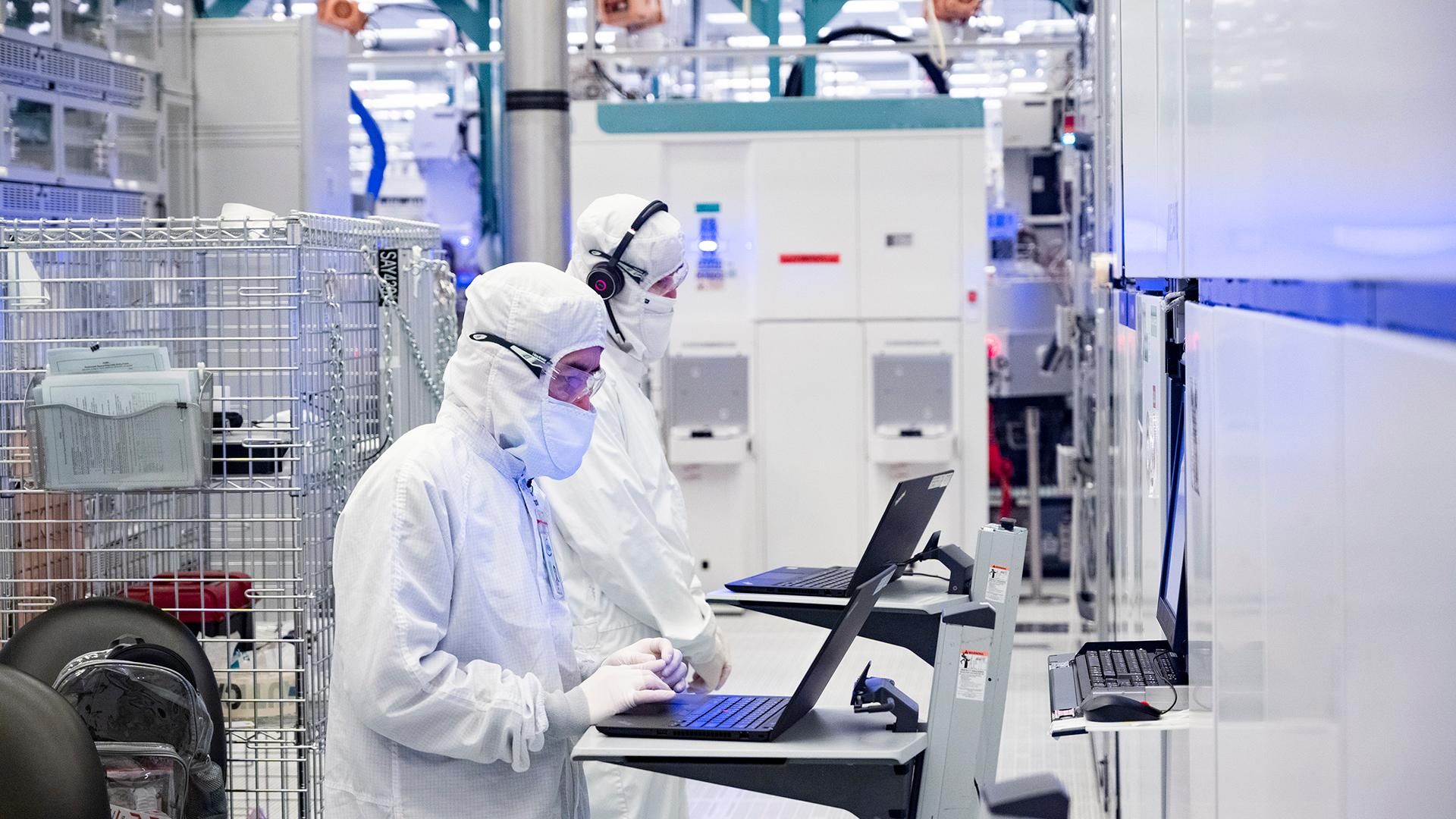
If you're planning server capacity, Intel expects supply constraints to remain particularly severe in the first half of 2027. The company is shifting some manufacturing capacity from client CPUs toward data-center CPUs to meet AI-related demand.
Here's what is changing:
- Increasing production of Xeon 6 Granite Rapids, built on Intel 3, is an immediate priority.
- Intel plans to redirect Oregon resources intended for Intel 18A Panther Lake client processors to Intel 3. The added capacity is expected to enter production in the second half of 2027.
- Intel expects about 40% more capacity for substrates, the bases used in chip packaging, in the second half of 2027.
- Advanced packaging operations are expanding in New Mexico and Malaysia for internal products and external customers.
One catch: the Fab 24 expansion in Ireland is not expected online until the end of 2027 unless accelerated.
Sources: tomshardware.com
Also in this issue
Signals
- EasyProver proves 669 of 672 PutnamBench problems in Lean without additional training
- DeepSeek releases dsh-superagent research prototype for turning GitHub requests into pull requests · 321 Stars today
- Browser Use’s BU Ultrafast browser agent completes tasks in a median 22 seconds
- OpenRouter shares a 233-line Python code reviewer that verifies bugs and returns patches
- Runpod finds serverless A40 inference costs less than Pods below 29 billed minutes per hour
- Amazon Bedrock adds cross-region inference for OpenAI GPT-5.6 models in AWS GovCloud