
Daily edition October 14, 2026
Daily AI-generated issue
AI engineering, October 14, 2026
Meta prices Muse Wonder, Microsoft unveils Maia 300, Anthropic shares Scion design lessons, vLLM cuts multi-turn TTFT up to 3.3x
This issue is researched and written by AI models, and every fact is checked against its cited source. No human edits it before it is sent.
- Agents
- APIs
- Audio
- Benchmarks
- Business

- Edition
- Daily
- Published
- October 14, 2026
- Read time
- 3 min
- Stories
- 3
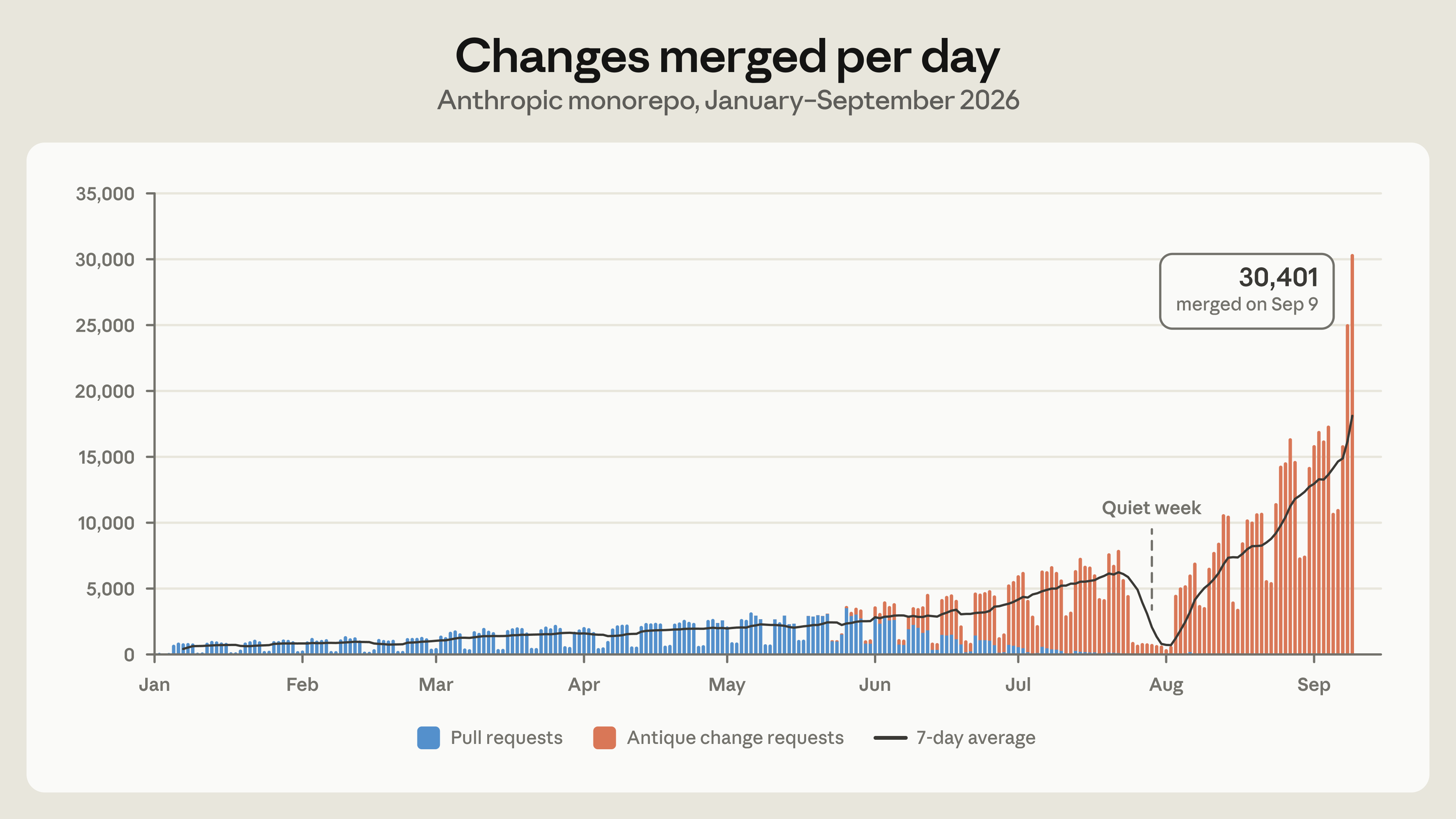
Anthropic merged more than 30,000 code changes a day by September. In May, Anthropic was merging around 2,500 a day.
Meanwhile, Meta's Muse Wonder costs $4 per million input tokens and $20 per million output tokens. Microsoft unveiled Maia 300, its latest in-house AI chip, alongside a server rack.
If you read one thing today: Meta's Muse Wonder. You can use it through Meta's first-party API and budget cached input at $0.20 per million tokens.
Key takeaways
- 01Muse Wonder output costs $20 per million tokens, and cached input costs $0.20 per million tokens.
- 02The Coding Agents Index gives Muse Wonder Full 68 at max effort in Muse Code, matching Claude Code with Sonnet 5.5. Muse Wonder scores 63, and Muse Spark 1.3 scores 54.
- 03Muse Wonder Full scores 56 on the Intelligence Index, compared with 52 for Muse Wonder. Muse Wonder Full improves over Muse Spark 1.3 across all ten evaluations.
- 04Both models use about 54,000 output tokens per Intelligence Index task, around 10% fewer than Muse Spark 1.3.
Top News
Meta's Muse Wonder is available through Meta's first-party API and Muse Code. It costs $4 per million input tokens, while Muse Wonder Full posts the stronger Coding Agents Index result.
Here's what changed:
- Muse Wonder output costs $20 per million tokens, and cached input costs $0.20 per million tokens.
- The Coding Agents Index gives Muse Wonder Full 68 at max effort in Muse Code, matching Claude Code with Sonnet 5.5. Muse Wonder scores 63, and Muse Spark 1.3 scores 54.
- Muse Wonder Full scores 56 on the Intelligence Index, compared with 52 for Muse Wonder. Muse Wonder Full improves over Muse Spark 1.3 across all ten evaluations.
- Both models use about 54,000 output tokens per Intelligence Index task, around 10% fewer than Muse Spark 1.3.
One catch: Muse Wonder Full is available only to Muse Code users and has no per-token pricing.
Sources: artificialanalysis.ai
Top News · Reported · digitimes.com
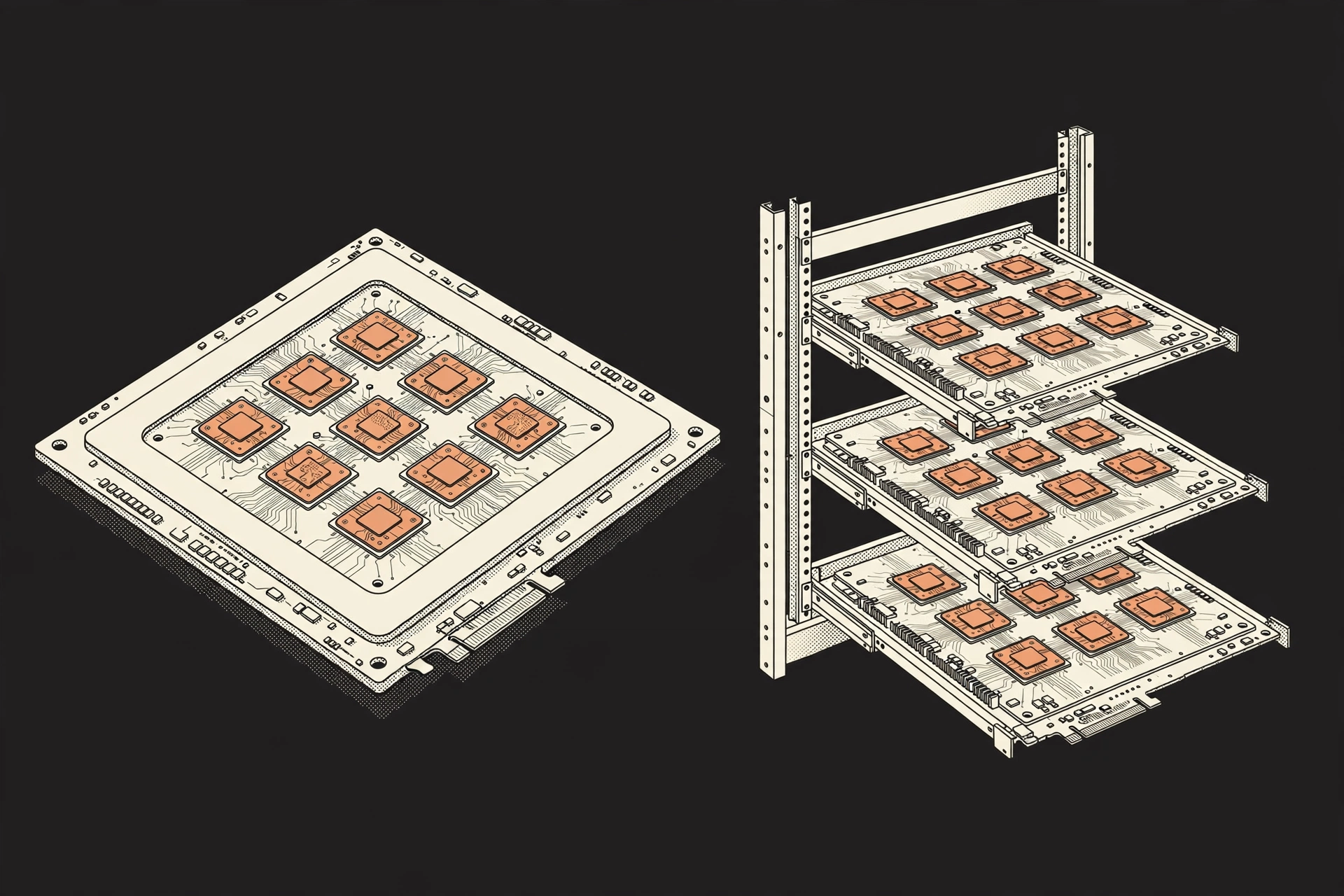
Microsoft unveiled Maia 300, its latest in-house AI chip, alongside an accompanying server rack. Maia 300 is an AI application-specific integrated circuit, or ASIC. The chip's compute chiplets are manufactured by TSMC, while supply-chain sources point to Lenovo for assembly of the server racks.
Here's what changed:
- Microsoft unveiled both Maia 300 and the accompanying rack. The hardware announcement covers the in-house AI chip together with its server rack.
- TSMC manufactures Maia 300's compute chiplets using N2P, described as an enhanced, extended version of TSMC's baseline 2nm N2 manufacturing process.
- Supply-chain sources indicate Lenovo, rather than Taiwanese manufacturers, will assemble Maia 300 server racks. That would put rack assembly at Lenovo and manufacturing of Maia 300's compute chiplets at TSMC.
Sources: digitimes.com
Top News · 650 HN points
If agent traffic is overwhelming your monorepo, Anthropic's Scion design is worth studying. Anthropic moved its monorepo from Git to the in-house system in five months, as merged changes climbed from around 2,500 per day in May to more than 30,000 by September 2026.
Here's what changed:
- Anthropic reports Scion infrastructure uses 200 times less CPU and memory than its prior Git-mirroring infrastructure.
- Anthropic also reports CI and research checkouts are two orders of magnitude faster, and CI gained 25% CPU capacity.
- Repository operations move to the server. Online clients keep a bounded local object cache and do relatively little computation.
- Scion supports sparse and virtualized checkouts. Clients and jobs can use source-control APIs for many operations without maintaining a full local repository.
One catch: Scion depends on Anthropic's bespoke code review, search, and CI systems. Adopting it requires migrating the wider development lifecycle.
Why care? Anthropic suggests adapting Scion's ideas to Git rather than treating Scion as a general-purpose replacement.
Sources: anthropic.com
Also in this issue
Signals
- NVIDIA releases Run:ai as open source for GPU orchestration on Kubernetes
- Fish Audio releases open-source Drama 3 speech model that revises takes from feedback · 1 Upvotes
- vLLM cuts multi-turn time to first token up to 3.3x with bidirectional KV transfers
- Together AI adds post-training with custom training loops and per-GPU-minute billing
- Context Mode shows a 98% reduction in one tool-output example · 42 Stars today
- Liquid AI's LFM2.5-24B-A2B reasoning model hits 184 tokens per second on Apple's M5 Max · 2,565 Downloads